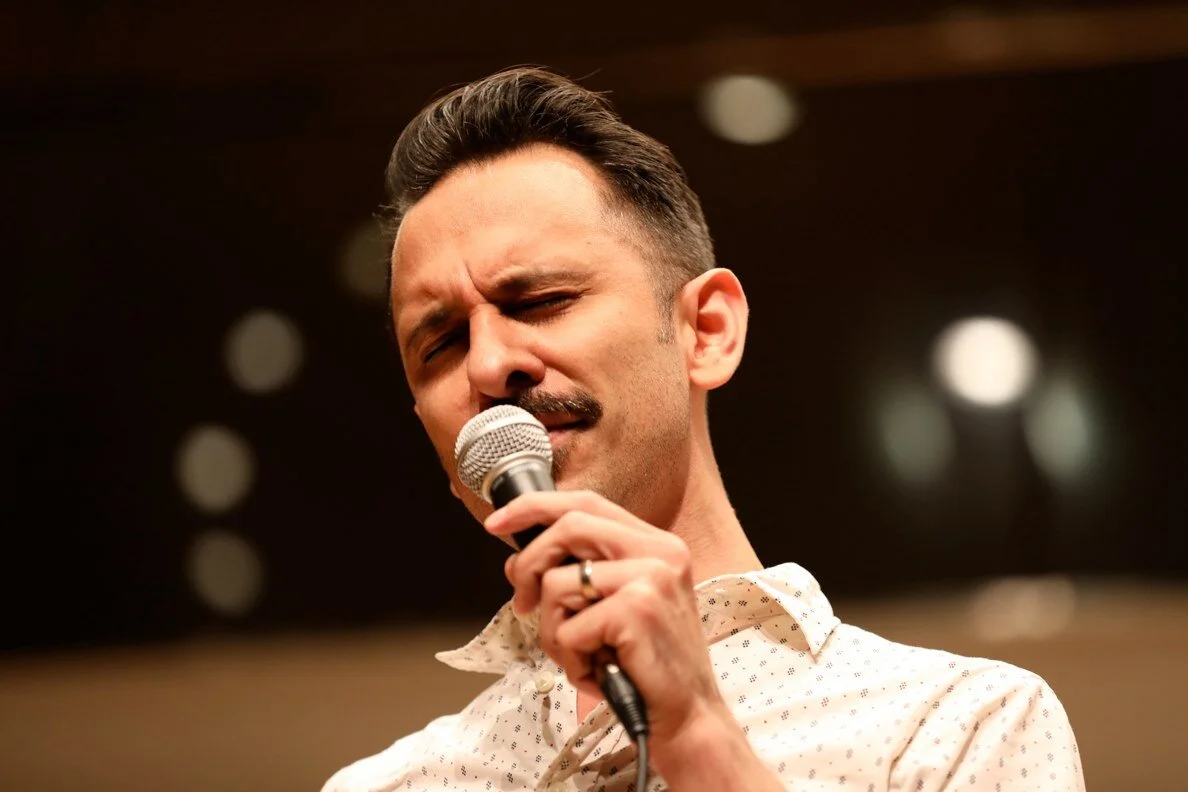
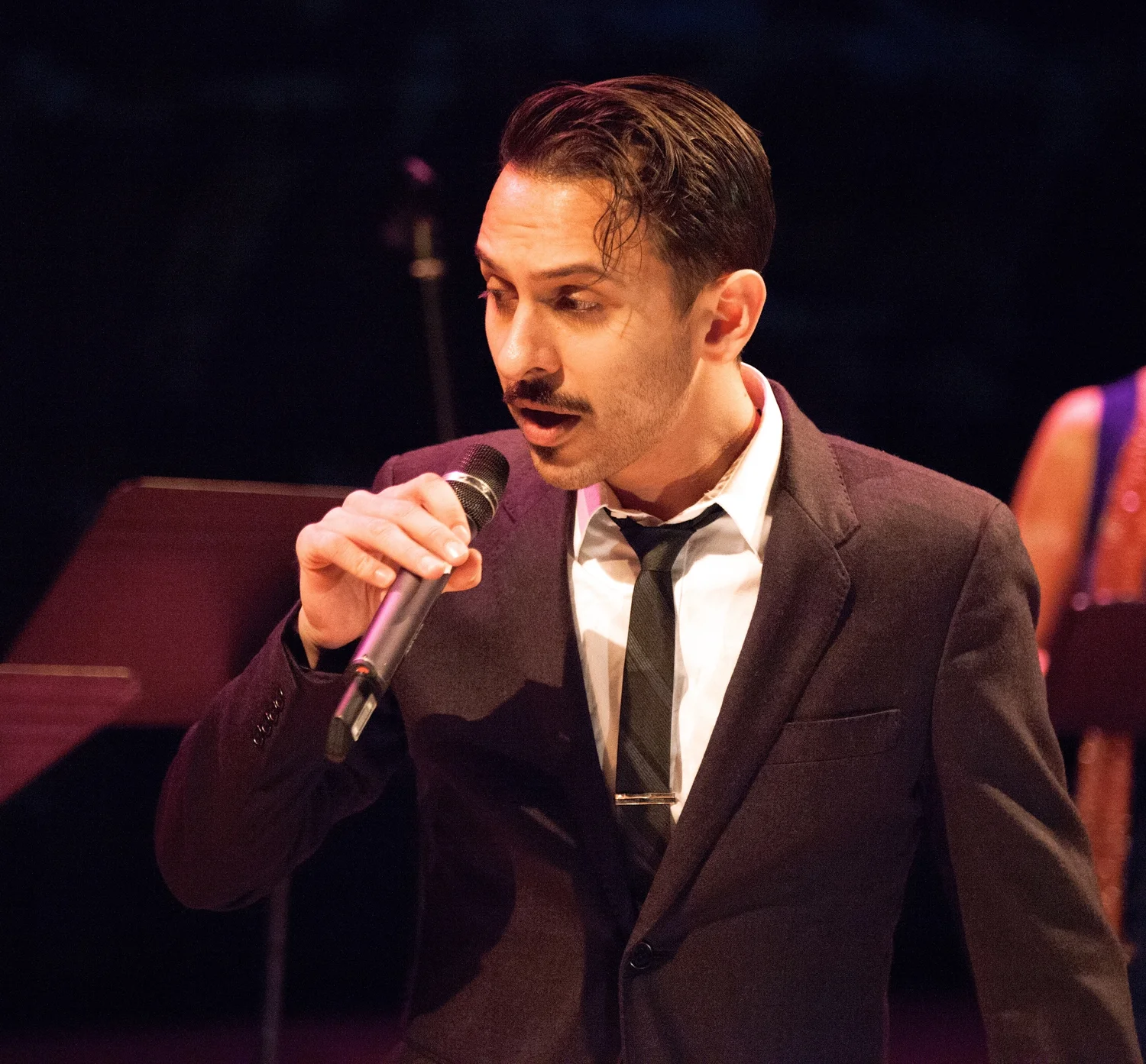
August 24-30, the JazzWorks Jazz Camp & Symposium returns to the beautiful CAMMAC campus on Lake MacDonald, offering musicians an immersive week of learning, collaboration, and inspiration. Among this year’s faculty is acclaimed vocalist, educator, arranger, and bandleader Dylan Pramuk, whose passion for jazz education is rooted in helping singers discover their own artistic voice.
To register or learn more : jazzworkscanada.com – 613-220-3819 jazz@jazzworkscanada.com
We spoke with vocalist Dylan Pramuk about what makes JazzWorks special, his approach to teaching improvisation, and why singers of every level should consider taking the leap.
Claude Thibault : What makes learning jazz at a camp like JazzWorks so different from private lessons or other forms of learning jazz ?
Dylan Pramuk : The biggest difference is immersion and community. At JazzWorks you’re living the music from morning until night. You’re learning new repertoire, rehearsing, performing, listening, and spending time with people who are all on the same journey. Jazz is really about finding your own voice. Because improvisation is such an important part of the music, every singer brings something unique to a song. At camp we have the time and the space to explore that together while supporting each other throughout the process.
Claude Thibault : What specific skills can participants expect to develop ?
Dylan Pramuk : We work on interpretation first—how to take a melody and communicate it in a way that feels personal rather than simply reproducing what’s written on the page. That includes phrasing, storytelling, rhythmic flexibility, and learning how to fit your own musical ideas within the harmony.
We’ll also spend time on improvisation. One of the things I love teaching is helping singers understand harmony by ear and introducing them to the language that instrumental improvisers use. We’ll study melodic vocabulary, strengthen our ears, and immediately put those ideas into practice.
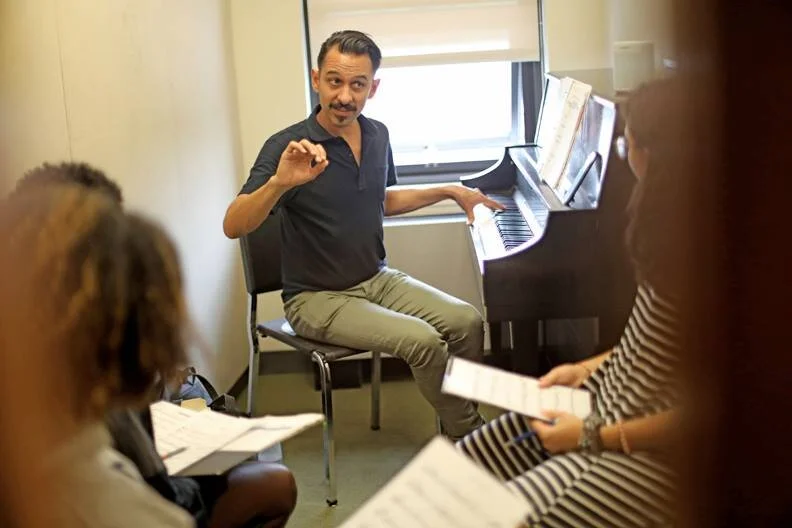
Claude Thibault : JazzWorks welcomes participants with a wide range of experience. How do you approach teaching such diverse groups ?
Dylan Pramuk : My goal is always to meet students where they are and help them take the next step. Everyone arrives with different musical experiences, and that’s something we celebrate.
There are always new tunes to learn, deeper ways to interpret a song, and new improvisational tools to discover. Whether we’re working on intonation, scat vocabulary, rhythmic freedom, or ear training, the process is always progressive. Every student can continue growing from wherever they begin.
Claude Thibault : What do you enjoy most about teaching ?
Dylan Pramuk : Watching students discover their own voice.
There’s something incredibly rewarding about seeing someone perform with confidence and genuine joy. One of my favorite moments is introducing singers to transcriptions by great improvisers. At first, learning a Lester Young or Hank Mobley solo can seem completely foreign. Then, a few days later, you hear students singing those solos in the hallway because they’ve become excited about the music. That’s a wonderful feeling as a teacher.
Claude Thibault : Some singers may feel intimidated by jazz or improvisation. What would you say to them ?
Dylan Pramuk : That’s completely understandable. Singing is personal, and improvisation asks you to be vulnerable.
But JazzWorks is built around encouragement and community. Everyone is there to learn, to experiment, and to support one another. It’s not about being the most advanced musician in the room—it’s about playing, discovering, making friends, and growing together. The supportive atmosphere makes it much easier to take creative risks.
Claude Thibault : What has been inspiring you musically these days ?
Dylan Pramuk : I’ve been immersed in Sonny Rollins’ unaccompanied performance of Body and Soul. I’d wanted to learn that solo for years, and this year I finally committed to it. I spent countless hours learning it by ear and eventually adapted the original lyrics to fit Rollins’ improvisation.
It became a deeply meaningful project, especially following Sonny Rollins’ passing. It reminded me how much there is to learn from the masters.
Claude Thibault : Is there a musician you’ve always dreamed of performing with ?
Dylan Pramuk : I feel incredibly fortunate because I’ve already had the opportunity to perform with several of my heroes through the Royal Bopsters Project.
Recording with artists such as Mark Murphy, Annie Ross, Sheila Jordan, Bob Dorough, and especially John Hendricks was an unforgettable experience. John Hendricks had an enormous influence on me when I was discovering vocal jazz in high school. His lyric writing, his improvisation, and his musicianship completely changed the way I thought about jazz singing. Sharing the stage and recording with him was something I never imagined would happen.
Claude Thibault : What can participants look forward to at this year’s JazzWorks Jazz Camp ?
Dylan Pramuk : It’s going to be a full week of music-making.
We’ll work on repertoire, interpretation, vocal improvisation, ear training, and developing confidence as soloists. We’ll also spend time singing vocal harmony together in an ensemble setting. Most importantly, everyone will have the opportunity to discover their own voice in a welcoming community that celebrates curiosity, creativity, and musical growth.
I can’t wait to meet everyone in a few weeks !
web site
youtube
facebook
instagram
spotify
Claude Thibault – editor
To cure his 2002 post-Montreal Jazz Fest blues—after all that extraordinary musical excitement, everyday life felt a little flat—Claude launched the very first version of sortiesJAZZnights.com on January 1, 2003. Twenty-three years and several versions later, the adventure continues, driven by the same mission: to showcase and promote jazz from Quebec and around the world.